Acceptance and Commitment Therapy (ACT): Building a Meaningful Life
Acceptance and Commitment Therapy (ACT) is one of the core approaches guiding my clinical work, alongside Cognitive Behavioural Therapy (CBT). Both are evidence-based therapies grounded in scientific research.
I have completed multiple foundational and advanced trainings in ACT, focusing on its application with adults, adolescents, children, and parenting contexts. My training has been delivered by internationally recognised ACT clinicians, including Dr. Steven C. Hayes, the originator and co-developer of ACT, and Russ Harris, a leading ACT trainer and author.
I continue to develop my clinical expertise through regular advanced courses exploring the use of ACT in specific situations such as grief, relationship difficulties, and sleep disorders. I am also a member of the Association for Contextual Behavioral Science (ACBS).
ACT is part of the third wave of cognitive-behavioural therapies. Rather than focusing solely on symptom reduction, ACT helps people develop psychological flexibility - the ability to stay present, open up to internal experiences, and take action guided by personal values, even when life feels challenging.
In ACT, values refer to what is most important to you and the way you want to live your life. They are not goals to be achieved, but ongoing directions that give meaning to your actions. Therapy focuses on clarifying these values so they can guide choices, rather than fear, avoidance, or self-doubt.
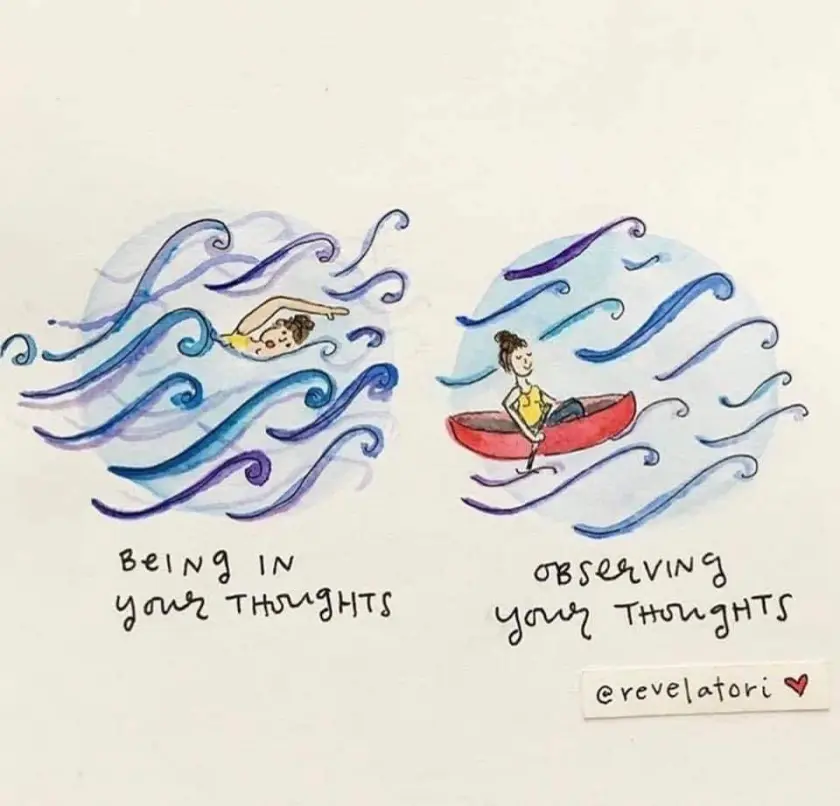
ACT is a collaborative and experiential therapy. Sessions include practical exercises that help you notice thoughts and emotions without being overwhelmed by them, make room for difficult experiences, strengthen present-moment awareness, and take meaningful action aligned with what truly matters to you.
ACT has been shown to be effective for a wide range of difficulties, including anxiety, depression, mood disorders, relationship challenges, sleep disorders, chronic pain, and addictive behaviours. While ACT is often considered a brief therapy, the skills developed tend to have long-lasting benefits.
ACT offers a space to explore inner experiences with openness while learning how to move forward in a way that feels authentic, meaningful, and aligned with what matters most to you.

Lucie Ramet
Chartered Psychologist, CBT & ACT Therapist
Hove, East Sussex
·
Online therapy in French and English